7 Clear Signs You Need to Repaint Your Home Interior: A Master Craftsman’s Guide
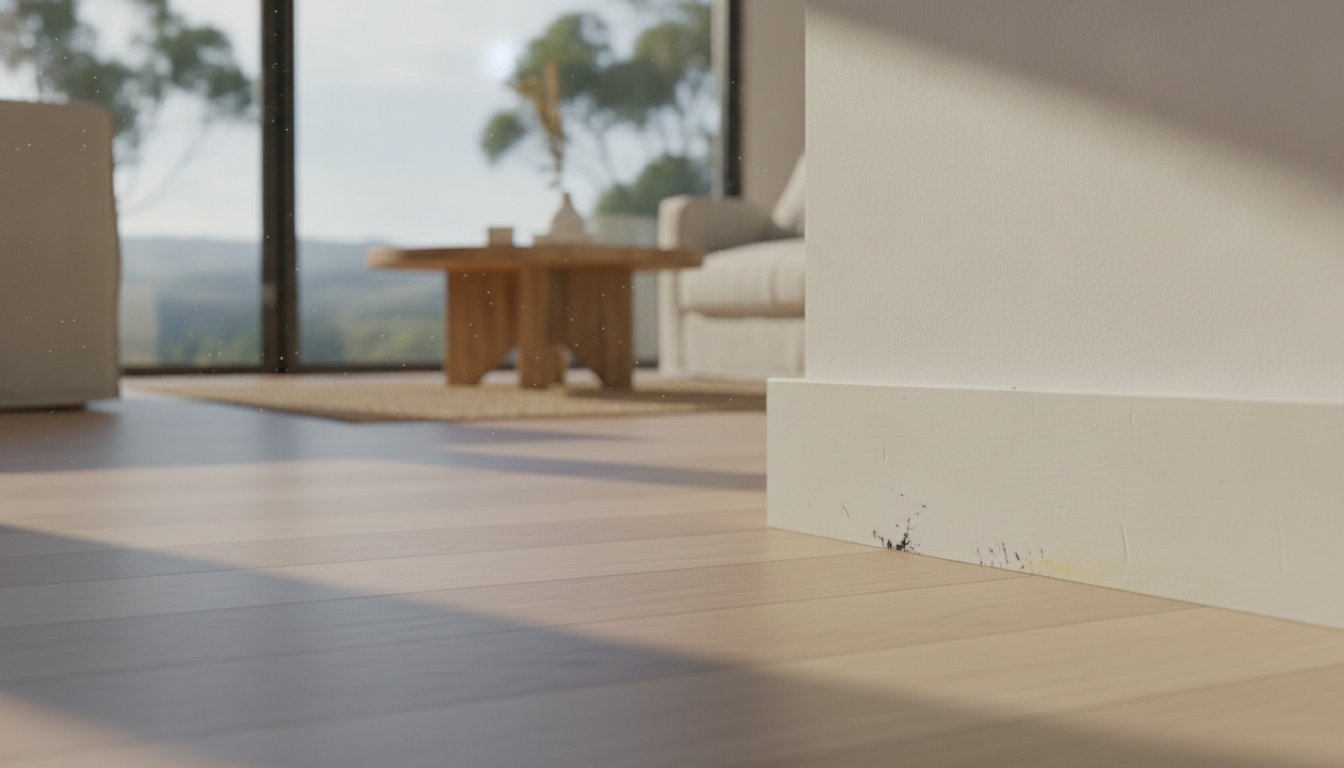
You are welcoming friends into your living room for a weekend lunch when your eyes suddenly lock onto the scuffed, yellowing skirtings you haven't noticed in months. It is a sharp, quiet moment of realisation that many homeowners face. While it's easy to overlook the slow fade of a wall's lustre when you see it every day, these small imperfections are often the first signs you need to repaint your home interior before minor wear evolves into a more expensive problem.
We understand that your home is more than just a building; it's a sanctuary and a significant investment that deserves meticulous care. In this master craftsman’s guide, you will discover how to identify the physical and aesthetic red flags that suggest your walls, ceilings, and architraves need professional attention. We will explore everything from moisture risks in your bathroom to the simple desire for a fresh, modern palette that protects your surfaces and increases your property's value for the long term.
Key Takeaways
- Understand why the typical 7 to 10-year lifespan of quality paint can be shortened by the unique humidity and sunlight conditions found in Australian homes.
- Learn to identify the subtle and obvious signs you need to repaint your home interior, from microscopic cracking to the unsightly yellowing of old oil-based enamels on your skirtings.
- Discover why room-specific issues like surfactant leaching in bathrooms or grease build-up in kitchens require more than just a cosmetic cover-up.
- Gain insight into the "80% preparation" rule that master craftsmen use to ensure your walls and ceilings remain protected and beautiful for years to come.
How Long Does Interior Paint Actually Last in NSW?
A fresh coat of paint is the silent guardian of your home. While many homeowners view it as a purely aesthetic choice, a master craftsman sees it as a protective seal. In the temperate but often humid climate of New South Wales, the typical lifespan of a high-quality interior finish is between seven and ten years. However, this timeline is not a guarantee. It's a window of opportunity. If you wait until the paint is visibly falling off the walls, you've likely already invited moisture or substrate damage into your sanctuary.
Not all paint is created equal. In many new developments across the Central Coast, "builder-grade" paints are frequently used to keep initial costs low. These thin, high-fill coatings often lack the resin density required for long-term durability. Consequently, residents in newer estates may notice the first signs you need to repaint your home interior in as little as three to five years. There is a profound difference between a wall that simply looks "tired" and one experiencing structural failure. While a faded colour is a matter of taste, a failing paint film is a matter of property maintenance.
The Role of Interior Paint as a Protective Skin
Think of paint as more than just a colour; it's a sophisticated barrier. By understanding paint composition, we can see how the binder works to seal porous Gyprock and timber architraves from ambient moisture. In our local area, humidity causes building materials to expand and contract. If the paint lacks the necessary elasticity, it will eventually snap under the pressure. Paint failure is defined as the loss of adhesion between the coating and the substrate. Once this bond is broken, your walls are no longer protected from the slow, destructive creep of moisture absorption.
Regional Factors: The Central Coast Influence
Our beautiful coastal geography introduces unique challenges that inland homes rarely face. In suburbs like Terrigal or Gosford, salt-laden air can permeate interior spaces through open windows and ventilation systems. This salty residue can settle on surfaces, affecting the integrity of the paint over time. Furthermore, the intense Australian sun is a relentless force. North-facing living rooms with large glass doors endure significant UV exposure, which can bake the life out of inferior coatings.
Choosing the right product for NSW coastal conditions is essential. We don't just look for a pretty shade; we look for a finish that adheres to the Australian Standard AS/NZS 2311:2017. This ensures the preparation and application meet the rigours of our environment. Spotting the signs you need to repaint your home interior early allows us to preserve the underlying timber and plaster before the salt and sun turn a simple refresh into a costly restoration project.
Visible Red Flags: When the Paint Film Fails
When the protective skin of your home begins to fail, the symptoms are often impossible to ignore. These visible red flags are the most urgent signs you need to repaint your home interior. It is the moment the material science of the coating gives way to the elements. Seeing your walls shed their finish is a clear signal that the sanctuary you've built is no longer shielded from the world. If the bond between the paint and the wall is broken, your home's substrate is left vulnerable to the environment.
Peeling Paint: More Than an Eyesore
Peeling and flaking are the ultimate declarations of lost adhesion. In the humid environments of a bathroom or kitchen, steam can find its way into microscopic fissures. Once moisture settles behind the paint film, it creates a wedge that physically lifts the coating from the substrate. If left unaddressed, gravity and air movement will do the rest. A small flake on a bathroom ceiling can quickly become a large, drooping sheet that invites mould to take root in the damp plasterboard underneath.
Rectifying this requires more than just a quick cover-up; it demands a methodical approach to surface restoration. You can't simply paint over the edges of a flake and expect it to hold. The entire affected area must be stabilised. This process is part of the meticulous steps we outline in our master craftsman’s guide on how to prepare walls before painting. Proper preparation ensures that the new finish doesn't just sit on top, but actually becomes part of the wall itself.
Bubbling and Blistering Dynamics
Bubbles and blisters are the results of trapped tension within the paint layers. A moisture bubble is usually soft and pliable to the touch, often hiding a secret leak or a failure in your room's ventilation. Heat blisters are typically dry and brittle. They often appear when paint is applied to a surface that is too hot or under the glare of a harsh afternoon sun. You must resist the urge to simply scrape and paint over these spots. Without identifying the root cause, such as a hidden plumbing issue or poor substrate quality, the new coat will inevitably suffer the same fate.
In older Central Coast residences, you might also see deep, jagged cracks that resemble a sun-baked riverbed, a phenomenon known as "alligatoring". This occurs when the paint becomes so brittle it can no longer flex with the subtle shifts of your house. For those living in heritage properties, these deep cracks can be particularly concerning as they may reveal historical layers that trigger lead paint safety concerns. In such cases, the preservation of your family's health is just as important as the aesthetic outcome.
Finally, keep an eye out for "chalking". If you lean against a wall and walk away with a fine, powdery residue on your clothes, the binders that hold the paint together have disintegrated. The pigment is literally falling off the wall. Catching these issues before they compromise the underlying plasterboard or timber is essential for the long-term health of your property. If you've spotted any of these red flags, consulting a professional house painter is the best way to ensure your home remains a safe, beautiful retreat.
Subtle Deterioration: Fading, Stains, and Outdated Aesthetics
Not every warning sign is a loud cry for help. While peeling paint is a clear emergency, many signs you need to repaint your home interior are far more insidious. These are the quiet shifts in hue and texture that slowly drain the vitality from your living spaces. You might not notice the change on a daily basis, but over time, your sanctuary begins to feel heavy, dated, or simply "off". Recognising these subtle changes is the hallmark of a homeowner who values preservation over mere repair.
The Yellowing of Architraves and Skirtings
If your home was painted more than a decade ago, there's a high chance your doors and trims were finished with oil-based enamels. These products were once the industry standard for durability, but they harbour a frustrating secret. In rooms with limited natural light, the lack of UV exposure causes the resin to oxidise and turn a sickly, jaundiced yellow. This discolouration is especially jarring when contrasted against fresh white walls or modern furniture.
The solution lies in the shift toward modern water-based enamels, which offer a crisp, lasting brightness that remains stable even in the darkest hallway. Revitalising these timber elements requires a steady hand and an eye for detail. For a deeper look at how to achieve a professional finish on these surfaces, see our guide on Flawless Door and Architrave Painting Central Coast.
Fading: The Silent Room-Killer
The Australian sun is a relentless artist, but it only works in subtraction. It bleaches the depth from your walls, particularly if you've chosen vibrant reds, deep blues, or earthy ochres. To see the true extent of the damage, lift a picture frame that has hung in the same spot for several years. The vibrant rectangle of colour left behind is a stark reminder of what your room used to be. This fading doesn't just alter the pigment; it alters the emotional resonance of the space. A room that once felt energising can become dull and listless, subtly affecting your mood as you go about your day.
High-traffic zones like hallways and kitchen entries often develop permanent stains that no amount of scrubbing can move. In fact, aggressive cleaning often polishes the paint, creating unsightly shiny patches known as "burnishing". This is a clear signal that the paint film has been worn thin. Finally, consider the aesthetic legacy of your home. A colour scheme that felt cutting-edge ten years ago can now act as a timestamp, making a beautiful property feel trapped in the past. Refreshing these surfaces isn't just about maintenance. It's about reclaiming the modern, fresh atmosphere your home deserves and ensuring your investment continues to grow in value.

Room-Specific Warnings: Kitchens, Bathrooms, and High-Traffic Zones
Every room in your home tells a different story of wear and tear. While a guest bedroom might remain pristine for a decade, the engine rooms of your house, namely the kitchen and bathroom, endure a relentless assault from heat, steam, and moisture. In our local Central Coast environment, the coastal humidity and salt air act as catalysts for these processes. Recognising the room-specific signs you need to repaint your home interior is crucial for preventing a cosmetic update from turning into a structural repair. When the paint film begins to fail in these high-stress areas, the substrate beneath is no longer protected from the elements.
In the kitchen, look closely at the areas surrounding your cooktop and oven. It isn't just about the occasional splash of sauce. Over time, airborne grease particles settle on the walls and ceilings, creating a film that eventually penetrates the paint. This grease doesn't just look unsightly; it chemically degrades the binder in the paint, making the surface sticky and impossible to clean. If you notice your walls have a tacky texture or a yellowed sheen that resists scrubbing, the protective barrier has been compromised. These are clear signs you need to repaint your home interior to restore both hygiene and aesthetics.
Bathrooms offer their own unique set of warnings. You might notice "surfactant leaching," those mysterious brown or waxy streaks that appear to run down the walls after a hot shower. This occurs when moisture pulls water-soluble ingredients out of the paint film. While sometimes cleanable in the early stages, persistent leaching indicates the paint is no longer performing its duty as a moisture barrier. Additionally, keep a sharp eye on your ceilings. Faint, tea-coloured rings are often the first indicators of a roof leak or plumbing issue that must be resolved before any repainting can begin.
The Battle Against Bathroom Mould
Simply painting over mould is a recipe for disaster. Mould is a living organism; it will continue to grow beneath the new coat, eventually causing the paint to bubble and lift. A master craftsman knows that eradication must come before decoration. We utilise high-performance paints with specialised anti-mould additives designed for wet areas to ensure your bathroom remains a healthy sanctuary. For a comprehensive look at revitalising these spaces, explore The Ultimate Kitchen and Bathroom Refresh Central Coast.
High-Traffic Wear on Skirtings and Doors
Your hallways and skirtings are the front lines of daily life. Scuff marks from shoes, dings from the vacuum cleaner, and the oily "patina" left behind by pets are all signs of a home well-lived, but they also signal the end of a paint's functional life. The gloss level of your finish is your primary defence here. When the sheen on your doors or architraves begins to look patchy or flat, the protective clear coat has worn thin. A professional refresh using premium enamels can restore that resilient shield, making your home's heart feel brand new. To ensure your high-traffic areas are protected with the right finish, consider booking a consultation with our interior painting specialists.
The Master Craftsman’s Approach: Why Professional Repainting Wins
Deciding to act on the signs you need to repaint your home interior is a significant first step toward preserving your property's legacy. However, the difference between a temporary fix and a decade-long finish lies in the execution. While a DIY project might seem like a weekend task, the technical requirements of the trade demand a level of precision that only comes with decades of experience. A master craftsman doesn't just apply colour; they restore the integrity of the surface, ensuring your home remains a sanctuary for years to come.
With 28 years of local experience, Martin has developed an intuitive eye for spotting substrate issues that the untrained observer might miss. Whether it is identifying the specific cause of a hairline crack or understanding how a particular timber grain will react to moisture, this deep expertise is what prevents minor wear from turning into a structural headache. In the competitive Central Coast property market, a professional finish is a powerful asset. It transforms a tired house into a refreshed, modern home, significantly increasing its value for a future sale while providing immediate emotional comfort to those who live within its walls.
Beyond the Brush: The Importance of Prep
Preparation is the silent foundation of every high-end finish. In fact, it represents approximately 80% of the work involved in a professional project. We don't just open a tin and start rolling. Our process involves a meticulous cycle of cleaning, sanding, filling, and priming to ensure every surface is perfectly stabilised. This level of care is what allows the paint to bond correctly, preventing the peeling and flaking discussed earlier in this guide.
Furthermore, the products we select are a world away from the "big box" store alternatives. We utilise professional-grade paints that are specifically formulated for the Australian climate, offering superior resin density and UV resistance. This commitment to quality ensures that your ceilings and walls remain vibrant and protected. For those looking to revitalise the social centre of their property, our Expert Living Room Painting Central Coast service provides the perfect blend of artistry and durability.
Investing in Your Home’s Legacy
Choosing a professional repaint is arguably the most cost-effective renovation a homeowner can undertake. It provides an immediate aesthetic transformation while serving as a long-term preservation strategy. At Central Coast House Painters, we pride ourselves on being a "safe pair of hands" for your most valuable asset. We treat every room with the respect it deserves, focusing on the fine details of architraves and skirtings that define the character of your interior.
We invite you to experience the difference that meticulous care and local trust can make. If you have noticed the signs you need to repaint your home interior, don't wait for the damage to deepen. Take the first step toward reclaiming your sanctuary and protecting your home's future. Book a consultation with Martin today to discuss how we can bring a master craftsman’s touch to your next project.
Reclaiming Your Home’s Sanctuary
Identifying the signs you need to repaint your home interior is the first step in preserving the beauty and value of your property. Whether you have noticed the brittle cracking of old paint film, the frustrating yellowing of your architraves, or the persistent scuffs of a busy hallway, these markers are signals that your home is ready for a professional refresh. By acting early, you protect your walls from moisture and ensure your sanctuary remains a modern, vibrant space for your family to enjoy.
With 28+ years of local experience, Martin provides a meticulous, owner-operated service that focuses on high-end interior restoration. You don't have to navigate the complexities of colour selection or substrate preparation alone. As a specialist in residential interiors, Martin brings a master craftsman’s eye to every detail, from your ceilings to your skirtings. Request a Professional Interior Colour Consultation with Martin today and let us help you restore the pride and protection your home deserves. It's time to turn those tired surfaces into a lasting legacy.
Frequently Asked Questions
How often should I repaint my house interior in Australia?
Most quality interior paint finishes in Australia last between 7 and 10 years. However, this lifespan depends heavily on the room's usage and the quality of the initial application. High-traffic areas like hallways or moisture-heavy zones like bathrooms often show the first signs you need to repaint your home interior much sooner, typically around the five-year mark, to maintain both protection and appearance.
Is peeling paint on a ceiling dangerous?
Peeling paint on a ceiling is a significant concern as it often signals trapped moisture or a failure in the substrate's integrity. Beyond the risk of falling debris, these flakes can hide growing mould colonies that compromise your indoor air quality. If your home was built before 1978, peeling layers may also present lead paint safety concerns, making professional assessment and stabilisation essential for your family's health.
Can I just wash my walls instead of repainting them?
Washing is an excellent maintenance habit for removing surface dust, but it cannot restore a failing paint film. If your walls suffer from "burnishing"—those shiny patches caused by repeated scrubbing—or if the pigment has begun to fade, washing will actually make these imperfections more obvious. Repainting is necessary when the binder in the paint has broken down and no longer provides a resilient, protective seal.
Why is my white paint turning yellow on the doors?
Yellowing is a natural chemical reaction found in older oil-based enamels. These traditional resins require consistent UV light to maintain their colour; in darker hallways or rooms with low natural light, the paint oxidises and takes on a jaundiced, yellow hue. We resolve this by transitioning your doors and architraves to modern water-based enamels, which remain crisp and bright for their entire lifespan.
Should I repaint my home before selling it on the Central Coast?
Repainting is the most cost-effective renovation you can undertake before listing a property on the Central Coast. A fresh, neutral palette removes the emotional "clutter" of the previous owner and allows potential buyers to see the house as a move-in-ready sanctuary. This small investment often results in a significantly higher perceived value and a faster transaction in the local market.
How do I know if the stains on my ceiling are from a leak?
Ceiling stains from active leaks usually appear as tea-coloured rings with a darker outer edge. If the spot feels damp to the touch or shows signs of "efflorescence"—a powdery white salt residue—you likely have a plumbing or roof issue. It is vital to identify and repair the source of the moisture before attempting any repainting, as the stain will simply bleed through new coatings otherwise.
What is the best time of year to repaint my home interior in NSW?
Spring and autumn are the ideal seasons for interior painting in New South Wales due to the moderate temperatures and lower humidity levels. These conditions allow the paint to dry and cure at a steady, even pace, ensuring the most durable finish. While modern paints allow us to work year-round, avoiding the extreme humidity of a mid-summer heatwave typically produces the most consistent results for your walls and ceilings.
Does professional painting really add value to my home?
Professional painting adds measurable value by protecting the underlying building materials and improving the home's aesthetic appeal. A master craftsman ensures that the Gyprock and timber are sealed against moisture, preventing expensive structural repairs down the track. Beyond the physical protection, the emotional impact of a flawlessly finished "sanctuary" is a powerful driver for increased property valuations during a sale.