How Long Does Interior House Paint Last? The Master Craftsman’s Guide to Longevity
Is the paint on your walls a permanent shield, or is it a sacrificial layer that is quietly reaching its expiry date? As a homeowner, you likely find yourself wondering exactly how long does interior house paint last before the once-vibrant colours begin to fade or those frustrating scuff marks take over your hallways. It is common to feel a bit of trepidation about the cost of a refresh, especially when you are unsure if the wear and tear you see is a structural issue or just a natural part of your home's evolution.
This guide provides the clarity you need by exploring the technical realities of modern coatings. While the general lifespan of interior paint sits between five and ten years, the actual durability varies significantly depending on the room. You will discover the tell-tale signs that your Central Coast home is due for a professional refresh and learn the master craftsman’s secrets to extending that finish. We will provide a clear timeline for every space, from high-traffic kitchens that might need attention every three to five years to quiet bedrooms that can remain pristine for a decade; this ensures you have the confidence to book a professional when the time is right.
Key Takeaways
- Learn exactly how long does interior house paint last by distinguishing between a simple desire for a new colour and the functional breakdown of the protective coating.
- Understand how the unique Central Coast humidity and daily activity in high-traffic zones can accelerate the wear on your skirtings, doors, and architraves.
- Identify the critical warning signs of paint failure, such as a powdery chalking residue or the subtle discolouration of your whites and neutrals.
- Discover why the "80/20 rule" of professional preparation and meticulous sanding are the secrets to achieving a superior mechanical bond and a lasting finish.
- Master gentle maintenance habits, including correct dusting and spot-cleaning techniques, to extend the life of your interior surfaces for a decade or more.
Understanding the Lifespan: How Long Does Interior Paint Actually Last?
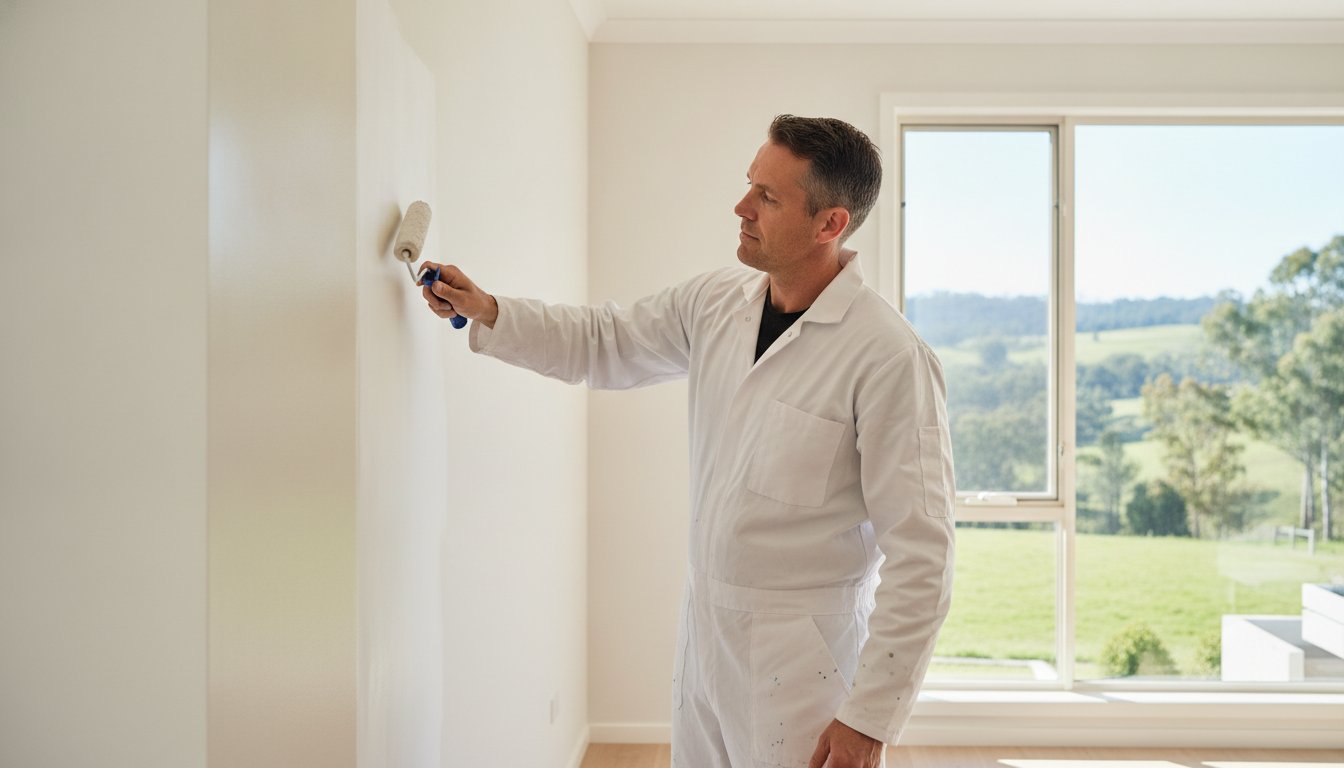
Your home is more than just a structure; it is a sanctuary that breathes with your family. A fresh coat of paint does more than just change a room's mood. It serves as a vital protective skin for your plasterboard. In our experience across the Central Coast, professional interior paint on walls typically lasts between 7 and 10 years. However, this is not a fixed rule. Ceilings often outlast walls by several years, simply because they are not subjected to the sticky fingers, furniture scuffs, or the general knocks of daily life. When you consider how long does interior house paint last, you have to look at the environment the paint lives in.
We often ask homeowners to distinguish between aesthetic life and functional life. Aesthetic life is dictated by your evolving taste or the desire to update a tired colour palette. Functional life, however, refers to the paint's ability to protect the substrate. Understanding the science of paint reveals that once the binders begin to fail, the paint no longer provides a barrier against moisture or stains. High-quality Australian brands like Dulux and Taubmans are specifically formulated to withstand our unique environment, offering superior resilience compared to budget alternatives that often thin out far too quickly.
Shelf Life vs. Wall Life
It is a common sight in a cool Gosford garage: a forgotten, sealed tin of paint tucked away in a corner. If stored correctly, that paint might remain usable for up to 10 years. Once applied to your walls, the clock starts ticking in a different way. Applied paint faces constant challenges from oxidation, subtle UV light through windows, and the fluctuating humidity of our coastal region. Wall life is defined as the period before the binder begins to degrade and lose its grip on the surface.
The 2026 Standard for Modern Acrylics
Modern technology has redefined our expectations. By 2026 standards, high-performance low-VOC paints have significantly altered the maintenance cycle. The rise of "wash and wear" technology means we can now scrub away a hallway scuff without polishing the paint to a shine. In my 28 years of trade experience, I have seen that cheaper paints often fail at the five-year mark. They lack the pigment density and resin quality found in premium lines, leading to early chalking and fading that leaves your home looking tired well before its time.
Factors That Shorten the Life of Your Interior Finish
Living on the Central Coast brings a unique set of environmental challenges that directly influence how long does interior house paint last. While we enjoy the sea breeze, the high salt content and humidity levels in NSW can be surprisingly aggressive toward standard paint films. It is not just the exterior that suffers; the interior of your home is a microclimate where moisture and temperature fluctuations dictate the longevity of your finish. Understanding these factors allows you to anticipate when a room might need attention before the damage becomes structural.
The Australian sun is another silent culprit. North-facing windows act like magnifying glasses, pouring intense UV radiation onto your feature walls. This light energy breaks down the chemical bonds in paint pigments, leading to premature fading and a loss of that "newly painted" depth. In high-use areas like kitchens, poorly positioned exhaust fans allow microscopic grease particles to settle on surfaces. This buildup is more than just an eyesore. It acts as a solvent that slowly softens the paint binder, making the surface tacky and prone to peeling.
Humidity and Moisture in NSW Homes
In coastal suburbs, moisture is the primary enemy of a lasting finish. High humidity often leads to surfactant leaching, particularly in bathrooms. This occurs when the water-soluble ingredients in the paint rise to the surface, leaving sticky, brownish streaks often referred to as "snail trails." If you are planning a kitchen and bathroom refresh central coast, choosing a mould-resistant, premium acrylic is non-negotiable. Without these specialised additives, the damp environment becomes a breeding ground for spores that can eat into the paint film from the inside out.
Physical Wear and Tear
The daily rhythm of your household determines the physical lifespan of your paintwork. Hallways and skirtings are the front lines of this battle. They face constant contact from vacuum cleaner heads, school bags, and pet tails. Scientific studies on paint durability highlight that "wet scrub resistance" is a critical metric for these high-traffic zones. A matte finish might look sophisticated in a master bedroom, but it lacks the resilience needed for a busy family home. For door and architrave painting central coast, we typically recommend semi-gloss or satin finishes; these provide a harder, more washable surface that stands up to constant handling. If your current paint feels brittle or marks the moment you touch it, a professional assessment can determine if the coating has simply reached the end of its functional life.
The Master Craftsman’s Checklist: Signs You Need to Repaint
Your walls tell a story, but sometimes that story is one of exhaustion. While we have discussed the environmental pressures of the Central Coast, identifying the physical signs of failure is what truly answers the question of how long does interior house paint last in your specific home. It’s not always about a catastrophic peel. Often, the signs are subtle shifts in the way the light hits a surface or how a texture feels under your fingertips. Recognising these signals early can save you from more intensive repairs down the line.
Take a look behind a heavy mirror or a piece of furniture you haven't moved in years. If your "Vivid White" now looks like a muddy "Antique White" compared to the original shade protected behind the frame, the pigments have surrendered to UV exposure. This discolouration isn't just an aesthetic annoyance; it indicates the chemical structure of the paint is changing. Similarly, if you run your hand across a wall in a sun-drenched room and find a fine, powdery residue on your skin, you are witnessing "chalking". This happens when the binder, which is the glue holding the paint together, begins to disintegrate. According to Consumer Reports' paint buying guide, selecting the correct resin type for your specific room conditions is essential for preventing this early degradation.
Cracking and flaking are more urgent signals. These mean the paint has lost its flexibility and can no longer expand or contract with the natural movements of your home. Bubbling is even more critical. It suggests moisture is trapped behind the film, often seen in laundries or bathrooms where the seal has failed and the substrate is at risk.
The Touch Test for Paint Integrity
A master craftsman always starts with a touch. Press your thumb against a suspect area; if the paint feels brittle or "crunchy", the bond is gone. In older Central Coast cottages, you might see "alligatoring", which is a pattern of deep cracks resembling reptile skin. This often points to multiple layers of old paint, potentially lead-based, struggling to hold onto each other. When you see peeling on your skirtings, it is a clear sign that the mechanical bond has failed, requiring a professional sand and prime to restore integrity.
When "Just a Clean" Isn’t Enough
There comes a point where scrubbing does more harm than good. If you find that cleaning a mark leaves a permanent "shiny" patch or actually removes the pigment, the paint’s protective sheen has been compromised. Beyond the technical, there is the aesthetic "vibe shift". A room that feels heavy, dated, or dull can weigh on your daily mood. Investing in a professional living room painting central coast project isn't just about maintenance. It's about reclaiming the heart of your home and enjoying the psychological lift that comes with a crisp, clean sanctuary.

Why Professional Preparation is the Key to Longevity
We are often asked how long does interior house paint last, but the answer rarely lies in the quality of the topcoat alone. The secret to a finish that endures for a decade is found in the hours of labour that occur before the first tin is even opened. We call this the 80/20 rule. Eighty per cent of the longevity and visual excellence of a project is determined by the preparation, while the final twenty per cent is the application of the colour itself. Without a meticulous foundation, even the most expensive premium acrylic is destined for early failure.
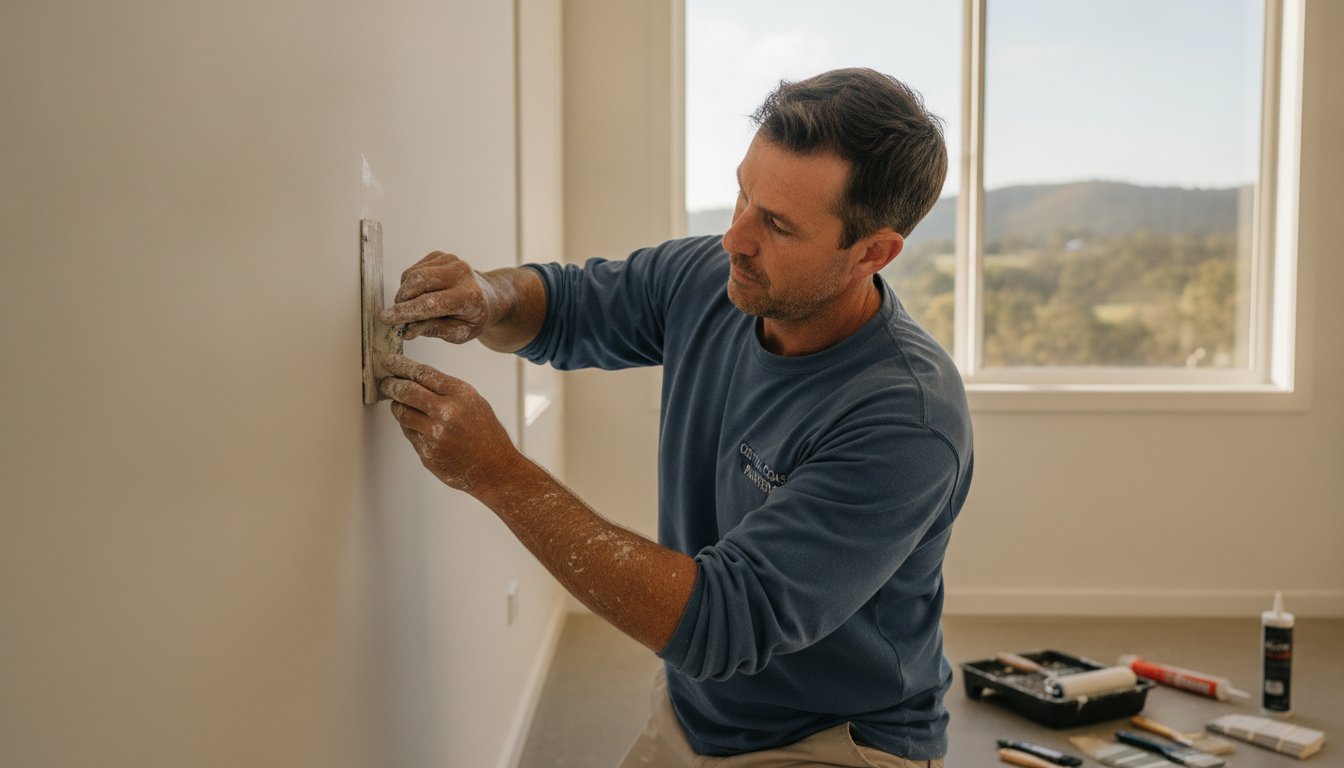
A master craftsman understands that paint is only as strong as its bond to the surface. This is why sanding architraves and doors is a non-negotiable step in our process. We aren't just smoothing the wood; we are creating a "mechanical bond" by scuffing the previous layer to give the new coating something to grip. In the demanding conditions of the Central Coast, many homeowners are tempted by "Paint and Prime in One" products. However, these often fail to provide the deep penetration required to seal porous plasterboard or aged timber. A professional approach involves identifying substrate issues, such as fine settlement cracks or hidden moisture, and treating them with specialised blockers before the first brushstroke of colour is applied.
The Difference Between DIY and Professional Prep
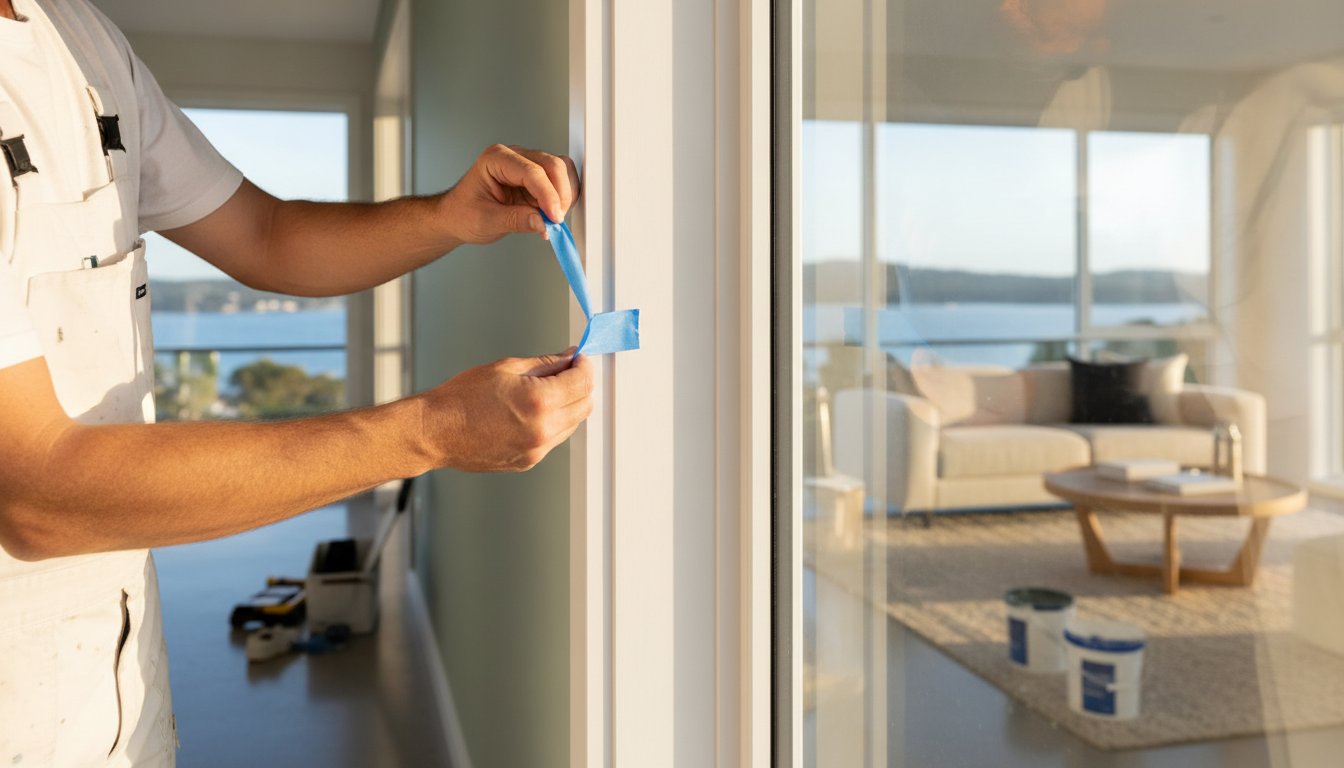
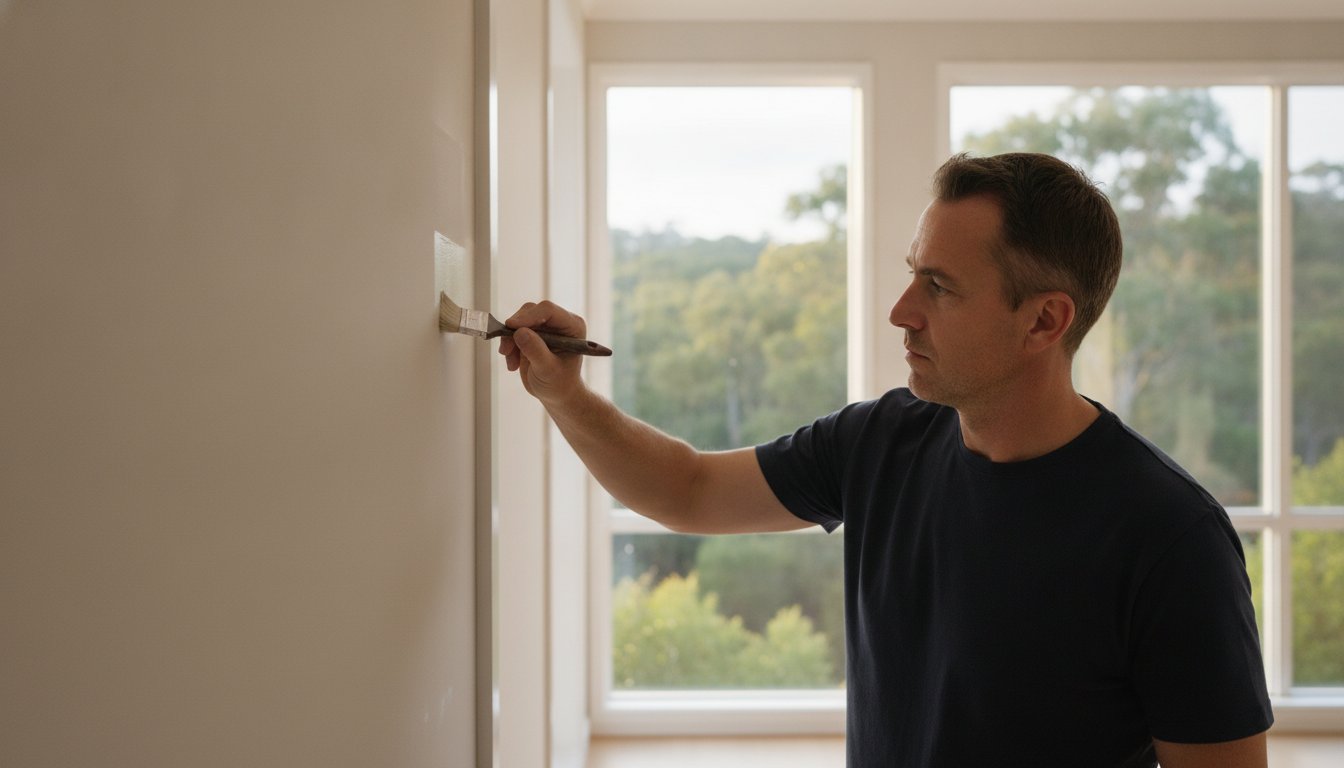
The gap between a weekend DIY job and a professional finish is most evident in the details that are eventually hidden. Professional preparation involves a systematic process of filling indentations, gapping the joints between skirtings and walls, and spot-priming repaired areas. These steps prevent "flashing", where patches of a different texture ruin the uniform sheen of your walls. For timber skirtings, we use professional-grade sealers to prevent tannin bleed, a common issue where the natural oils in the wood seep through and discolour light-coloured paint. With 28 years of experience, I have developed an eye for diagnosing wall health, ensuring that every layer we apply is built to last. If you want to ensure your home receives this level of care, you can book a master craftsman's assessment to evaluate your surfaces.
Choosing the Right Sheen for the Right Room
The sheen you choose is a primary factor in how long does interior house paint last from a functional perspective. Higher gloss levels contain more resin, making them harder and more resistant to moisture and scrubbing. While a flat finish is beautiful for hiding imperfections on a ceiling, it is ill-suited for a busy hallway where scuffs are inevitable. The best interior painters central coast will always match the product to the room’s specific function. We typically guide our clients toward low-sheen finishes for living areas and semi-gloss for doors and trim, ensuring the aesthetic remains pristine while providing the durability your lifestyle demands.
Maintaining Your Interior Paint: How to Make it Last 10+ Years
Preserving the sanctuary you've built is an ongoing act of care. While the foundation of a long-lasting finish is professional preparation, the ultimate answer to how long does interior house paint last depends on your commitment to gentle maintenance. Think of your walls as a high-quality garment; they require regular attention to remain in pristine condition. Dust and cobwebs are more than just an eyesore. In our coastal environment, dust particles often carry microscopic traces of salt and moisture that can eventually bond with the paint film, leading to stubborn staining if left unaddressed. A simple, regular dusting with a soft brush or vacuum attachment prevents this buildup from becoming permanent.
When marks do appear, the method of removal is critical. We often see "hot spots" where homeowners have used abrasive chemicals or scrub pads to remove a scuff, only to find they've permanently damaged the paint's sheen. Premium acrylics are designed to be durable, but they aren't invincible. Always use a soft microfibre cloth and gentle, circular movements. For persistent marks, a drop of mild dish soap in warm water is usually all that's required. Avoid "magic" sponges or harsh detergents; these act like fine sandpaper, stripping away the protective layer and leaving a dull patch that can only be fixed with a repaint.
A Simple Annual Maintenance Routine
Set aside one morning a year to walk through your home with a critical eye. Start by inspecting high-traffic areas near light switches and door frames, as these are magnets for natural skin oils that can soften paint over time. Gently clean these spots with warm soapy water before the oils can penetrate the binder. Next, check your wet areas. Look closely at the corners of your bathroom and laundry for any early signs of mould or peeling. Catching these issues early prevents them from spreading to the substrate, where repairs become significantly more expensive.
The Value of a Professional Refresh
There's a distinct economic advantage to being proactive. Repainting your home before the previous coating reaches total failure saves a substantial amount of time and money on sanding and repairs. When the paint is still sound but has simply lost its lustre, the preparation is far less intensive. This ensures you maintain that "Master Craftsman" finish without the need for heavy-duty restoration. It provides peace of mind, knowing your home remains protected and beautiful for another decade. Ready to revitalise your home? Contact Martin at Central Coast House Painters for an expert consultation and ensure your sanctuary receives the professional care it deserves.
Preserve Your Home Sanctuary for Years to Come
Understanding how long does interior house paint last is the first step in protecting your most valuable asset. As we have explored, the longevity of your finish relies heavily on the "80/20 rule" of professional preparation and a deep respect for the Central Coast’s unique humidity. By recognising the early signs of chalking or discolouration, you can intervene before minor wear turns into a major restoration project. Your home deserves a finish that doesn't just look beautiful today but remains a resilient shield for your family well into the future.
With over 28 years of local experience across Gosford and the wider Central Coast, we specialise in high-quality residential interior restoration that stands the test of time. We take pride in being a trusted neighbour, offering seniors discounts for our local residents to ensure professional craftsmanship is accessible to all. When you are ready to move beyond uncertainty and invest in a lasting transformation, we are here to help. Get a Professional Quote from Central Coast House Painters today. Let’s work together to make your home feel like a sanctuary once again.
Frequently Asked Questions
Can I tell if my paint is too old to use if it is still in the tin?
You can identify expired paint by its scent and texture. Open the tin and check for a pungent, sour smell similar to rancid milk; this indicates bacterial growth. If the liquid has a "cottage cheese" consistency or contains hard lumps that refuse to incorporate after vigorous stirring, the binders have failed. Using expired paint will result in poor adhesion and a finish that never truly hardens, compromising your home's protection.
Does darker interior paint last longer than lighter colours in Australia?
Darker colours don't necessarily offer more longevity; in fact, they often highlight imperfections and suffer more from UV-driven fading. While deep hues are stunning, they absorb more heat and light energy, which can accelerate the breakdown of the paint's chemical bonds over time. In sun-drenched Australian rooms, a darker feature wall may require a refresh sooner than a lighter neutral to maintain its original depth and vibrancy.
How often should I repaint my kitchen and bathroom compared to a bedroom?
Kitchens and bathrooms typically require a refresh every three to five years, whereas bedrooms can easily last a decade. The constant exposure to steam, humidity, and cooking grease in wet areas puts immense pressure on the paint film. Even with premium mould-resistant products, the functional life of the coating is shorter in these high-stress environments. Low-traffic areas like guest bedrooms face far less physical contact, allowing the finish to remain pristine for much longer.
Is it worth repainting my interior before selling my Central Coast home?
Repainting before a sale is one of the most cost-effective ways to increase your property’s appeal on the local market. A fresh, professional finish in modern neutrals creates a "move-in ready" feel that resonates deeply with buyers. It signals that the home has been meticulously maintained, often leading to a faster sale and a better final price. It is a small investment that transforms the first impression of your sanctuary.
What happens if I leave peeling paint for too long?
Ignoring peeling paint leads to substrate degradation and significantly higher restoration costs in the future. Once the paint film is breached, moisture can seep into the underlying plasterboard, causing it to soften or grow mould. What begins as a minor aesthetic issue can quickly turn into a structural problem. Delaying the refresh means your painter will need to perform much more intensive scraping and patching before a new coat can be applied.
Do expensive paint brands actually last longer on the wall?
Premium paint brands provide a thicker, more resilient film due to their higher concentration of solids and resins. These high-quality ingredients are the primary reason behind how long does interior house paint last when compared to budget alternatives. While the initial cost is higher, the superior scrub resistance and pigment density mean you won't be repainting nearly as often; this makes it a wiser long-term investment for the preservation of your home.
How does the Central Coast salt air affect my interior house paint?
The salt-laden air of our coastal region increases indoor humidity, which can compromise the chemical bond of your paint. This moisture often carries microscopic salt particles that settle on your walls, attracting even more dampness. Over time, this environment can lead to surfactant leaching or the early onset of mould if you haven't used a specialised, high-quality coating. Regular dusting and maintaining good ventilation are essential for countering these local environmental pressures.
Can I just paint over old paint to make it last longer?
Applying fresh paint over an unstable or dirty surface is a recipe for early failure rather than a shortcut to longevity. Without proper cleaning and mechanical sanding, the new layer cannot form a secure bond with the old one. Any existing peeling or cracking will simply continue underneath the new coat, causing the whole surface to fail prematurely. True durability is born from the meticulous preparation that happens before the first brushstroke of colour.